
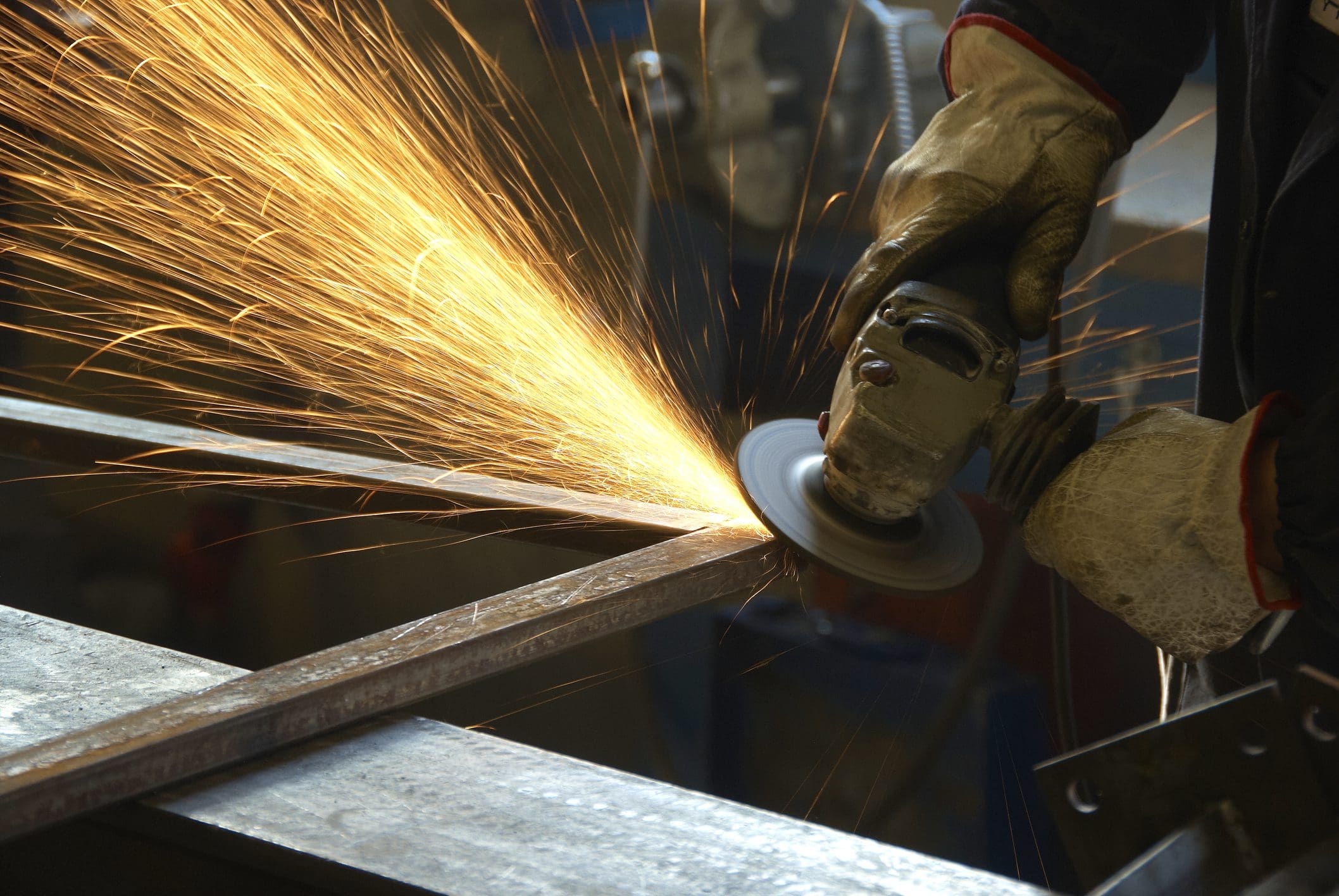
Industrial dust collection systems for the Southwest.
OSHA and NFPA 660 compliant systems for manufacturers across Arizona, California, Nevada, New Mexico, and Utah. Pass-or-free guarantee.
Schedule a Free AssessmentWe design, engineer, install, and stand behind industrial dust collection systems that pass inspection. Or we make them pass — at our cost.
Authorized dealer for MicroAir, IAP, Nordfab, Scientific Dust Collectors, AT Industrial, COIMA, Plymovent, and Boss Products. Reference standards: OSHA combustible dust · NFPA 660.
Industries we serve
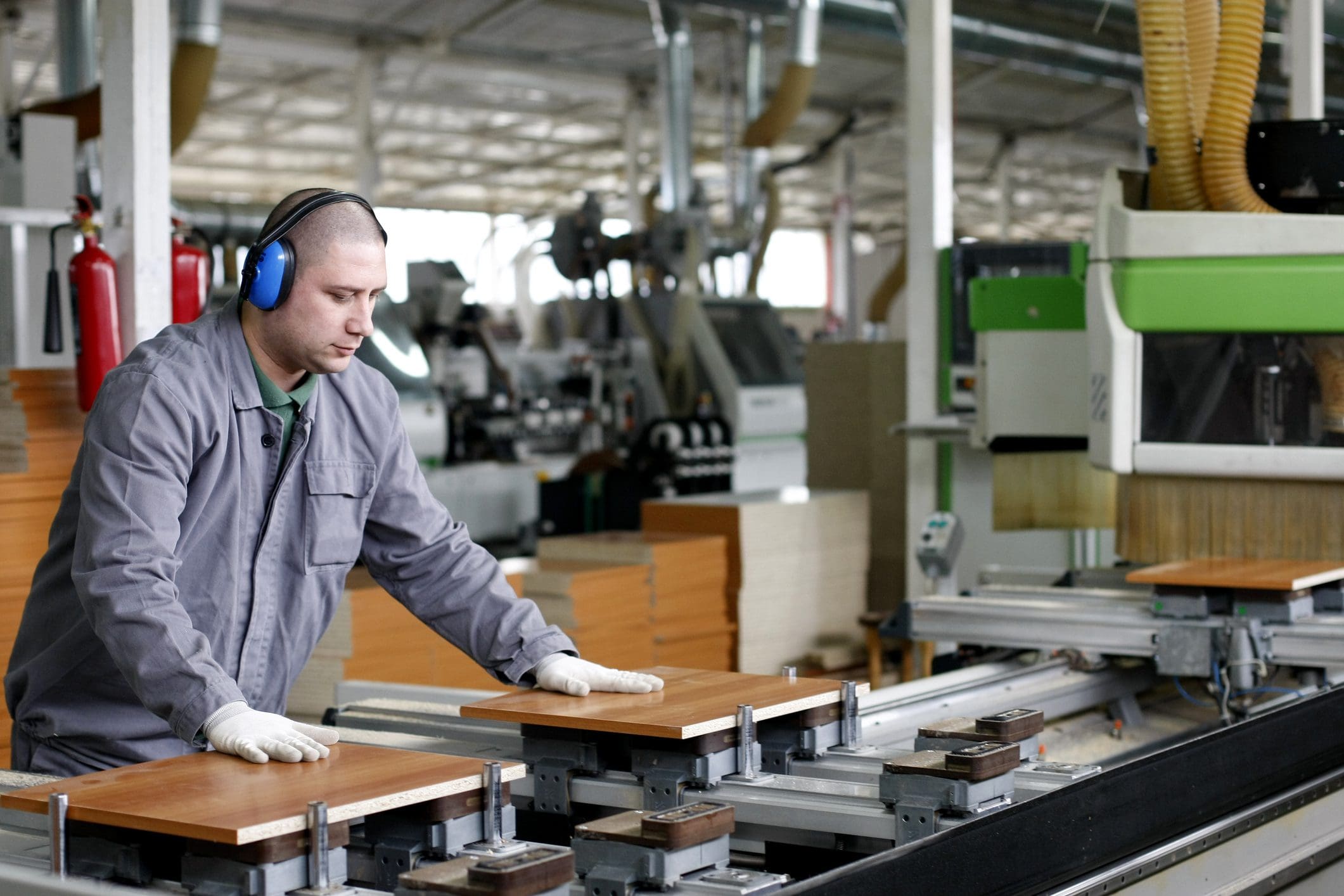
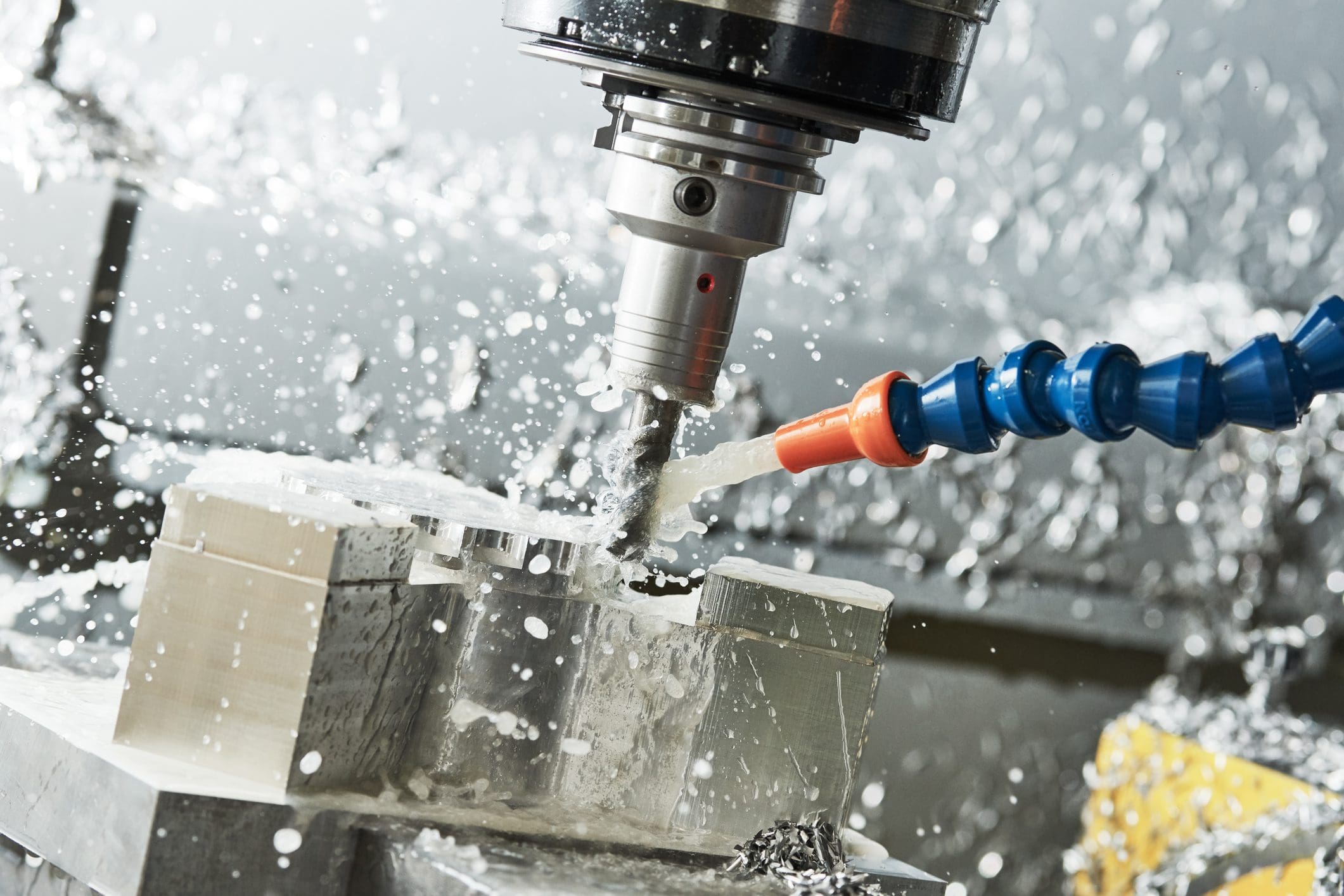
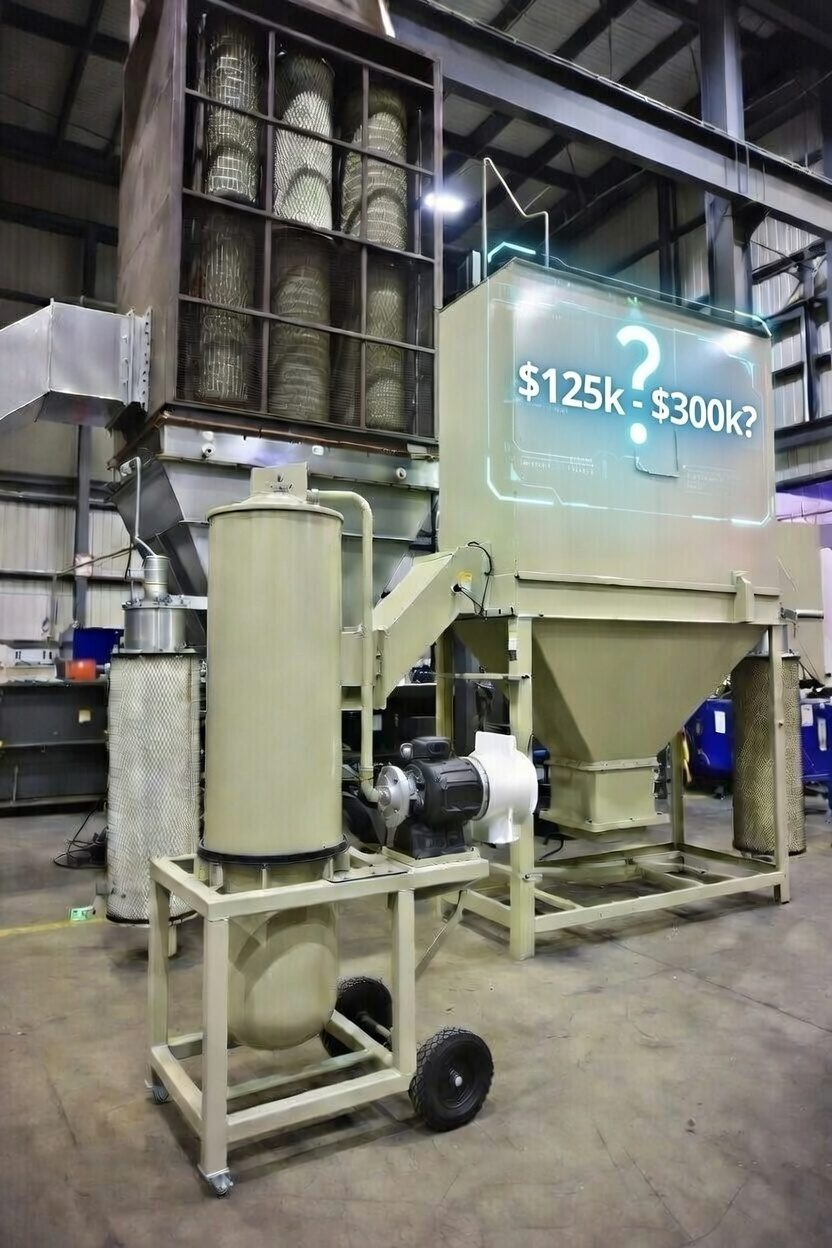
What will your system cost?
Answer a few questions and get an honest price range — the same numbers we’d share over a cup of coffee.
What do industrial dust collection systems cost?
Turn-key system pricing (equipment + install) as of early 2026.
Smaller Shops
$8K – $50K
1–6 portable extractors or downdraft tables. Plug in and go.
Quick-Ship UnitsSmall–Medium
$60K – $125K
Central cartridge collector with ducting to 4–8 points.
Cartridge CollectorsMedium
$125K – $250K
Central baghouse or cartridge with explosion protection.
Baghouse CollectorsHonest answers, real numbers
Dust Collection System Cost in 2026: Real Prices
$8K to $1.2M+ — what you actually pay for turn-key systems by shop size, with line-item breakdowns.
Read Now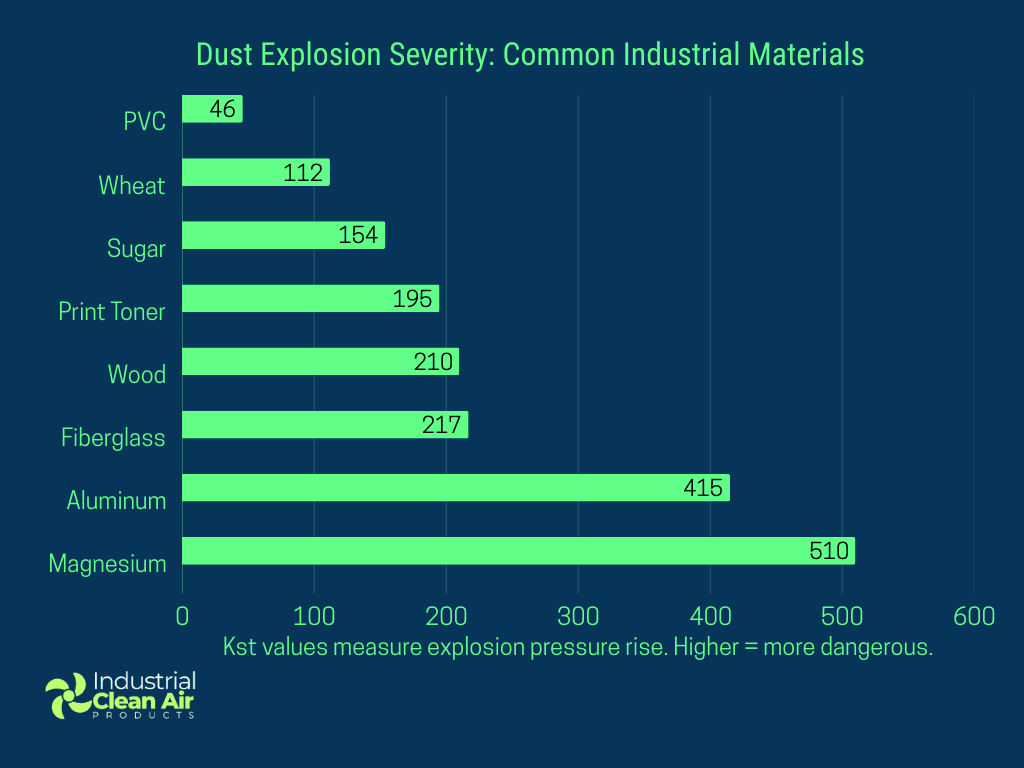
KSt Values Database: 60 Dust Types Ranked
The reference table for combustible dust severity. Wood, flour, aluminum, sugar, plastic — explosion class for each.
See the Database
We Mystery-Shopped 12 Dust Collection Companies
Posed as a customer and called the competition. What they said about NFPA 660 might surprise you.
Read the ResultsWhat does compliance actually require?
OSHA enforces air quality and housekeeping standards. NFPA 660 (effective Jan 1, 2026) consolidates combustible dust requirements into one code. Here’s what your shop needs.
OSHA citations we see most
- • Dust layers thicker than 1/32″
- • No explosion protection on combustible dust
- • Workers exposed above PELs
- • No documentation of hazards or training
What changed under NFPA 660
- • One consolidated standard (was 5 codes)
- • Dust hazard analysis (DHA) now mandatory
- • Deflagration protection by KSt class
- • Specific housekeeping schedules
Explosion protection options
- • Deflagration venting (cheapest)
- • Flameless venting (indoor-safe)
- • Chemical suppression
- • Isolation valves
Common dust KSt values
Reference table — full database in the Learning Center.
| Dust | KSt Range | Class |
|---|---|---|
| Wood | 100–200 | St 1 |
| Flour | 200–300 | St 2 |
| Aluminum | 400+ | St 3 |
How it works, end to end
Free On-Site Assessment
A technician visits with calibrated meters. Takes 1–2 hours. No obligation.
Fixed-Price Proposal
Within 5 business days. Drawings, specs, timeline, exact cost.
Design & Permitting
We handle permit drawings and fire marshal coordination.
Fabrication
Quick-ship in a week. Central systems in 8–10 weeks.
Installation
Rigging, ductwork, startup. Weekends if your schedule needs it.
Commissioning
Independent testing. You get the passing report in hand.
Training & Service
Team training on daily checks. Optional maintenance plans.
5 signs your collector is failing
Visible dust settling on equipment
Filters are loaded, airflow is dropping.
Team complaining about the air
Headaches, coughing. Exposure is creeping up.
High differential pressure reading
Filters clogged. Motor wearing out fast.
Dust building inside ductwork
Significant fire and explosion risk.
Shop still feels dusty
System undersized or filters past life.
Questions we hear every week
How much does an industrial dust collection system cost?
What is NFPA 660 and how is it different from NFPA 652?
Baghouse vs. cartridge collector — which do I need?
How do I know if my dust is combustible?
How long does installation take?
What does the pass-or-free guarantee cover?
Get an exact number for your shop.
Free on-site assessment. Zero obligation. Straight answers.
Schedule a Free AssessmentOr call 602-456-9661